




Introduction
When shopping for car insurance in the USA, one of the most important decisions you will make is choosing between “Full Coverage” and “Liability Only.” This choice directly impacts both your monthly premium and your financial protection in the event of an accident. While everyone wants to save money, opting for the cheapest plan isn’t always the smartest move. Understanding the critical differences between these two coverage levels is essential to determining which one aligns with your vehicle’s value, your budget, and your peace of mind.
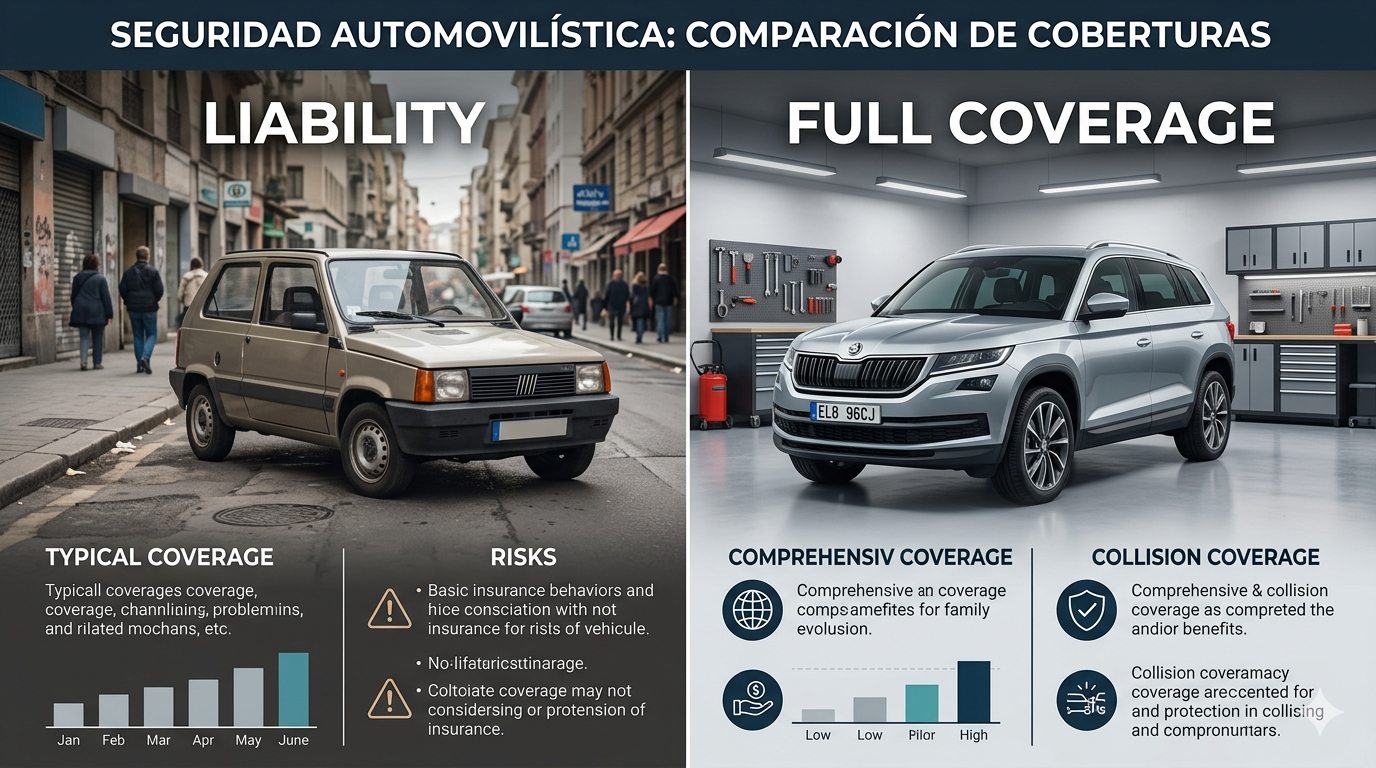
What is Liability-Only Coverage? Liability insurance is the absolute minimum coverage required by law in almost every state. Its primary purpose is to protect other people and their property if you are found at fault in an accident. It does not cover your own injuries or damages to your vehicle. Liability coverage is made up of two components:
-
Body Injury Liability (BI): Pays for the medical expenses, lost wages, and legal fees of other drivers or passengers injured in an accident you caused.
-
Property Damage Liability (PD): Covers the cost to repair or replace the other party’s vehicle, as well as any other property you damage (like fences, poles, or buildings).
Who Should Consider Liability-Only? This option is typically best for drivers on a strict budget who own older vehicles with low market value. If the cost of adding physical damage coverage exceeds the potential payout you would receive for your car, Liability-Only is a practical choice. A common rule of thumb is the “10% rule”: if your annual comprehensive and collision premiums are more than 10% of your car’s value, it might be time to drop them.
What is Full Coverage? It’s important to know that “Full Coverage” is not a formal insurance term, but rather a common phrase used to describe a policy that combines several types of protection. A standard “Full Coverage” policy includes the state-required Liability, plus:
-
Collision Insurance: Pays to repair or replace your car after an accident, regardless of who is at fault. This includes hitting another vehicle or a stationary object like a tree.
-
Comprehensive Insurance: Covers damages to your car caused by events other than a collision. This includes theft, vandalism, fire, weather damage (like hail or flooding), and hitting an animal.
Who Needs Full Coverage? You should generally carry Full Coverage if you drive a new or valuable vehicle that you cannot afford to replace out-of-pocket. If your car is financed or leased, your lender will almost certainly require you to maintain both Collision and Comprehensive insurance to protect their investment. For most drivers with modern cars, the peace of mind that comes from knowing their own vehicle is protected is well worth the additional cost.
How to Decide: Key Factors to Consider When making your decision, ask yourself these crucial questions:
-
What is my car’s current market value? (Check Kelley Blue Book or Edmunds).
-
Am I financing or leasing the vehicle? (If yes, Full Coverage is mandatory).
-
Could I afford to repair or replace my car if it were totaled tomorrow?
-
How high is the risk of theft, weather damage, or vandalism in my area?
-
What is my tolerance for financial risk?
Conclusion The choice between Full Coverage and Liability Only is a balance between immediate savings and long-term protection. While Liability-Only is the cheapest option upfront, Full Coverage offers essential financial security for your vehicle. By evaluating your personal circumstances and your car’s value, you can make an informed decision that provides the right level of protection for your needs. Not sure which option is right for you? Compare customized quotes for both coverage levels on our platform today!